Honouring Indigenous Rights: What Ontario Law Says
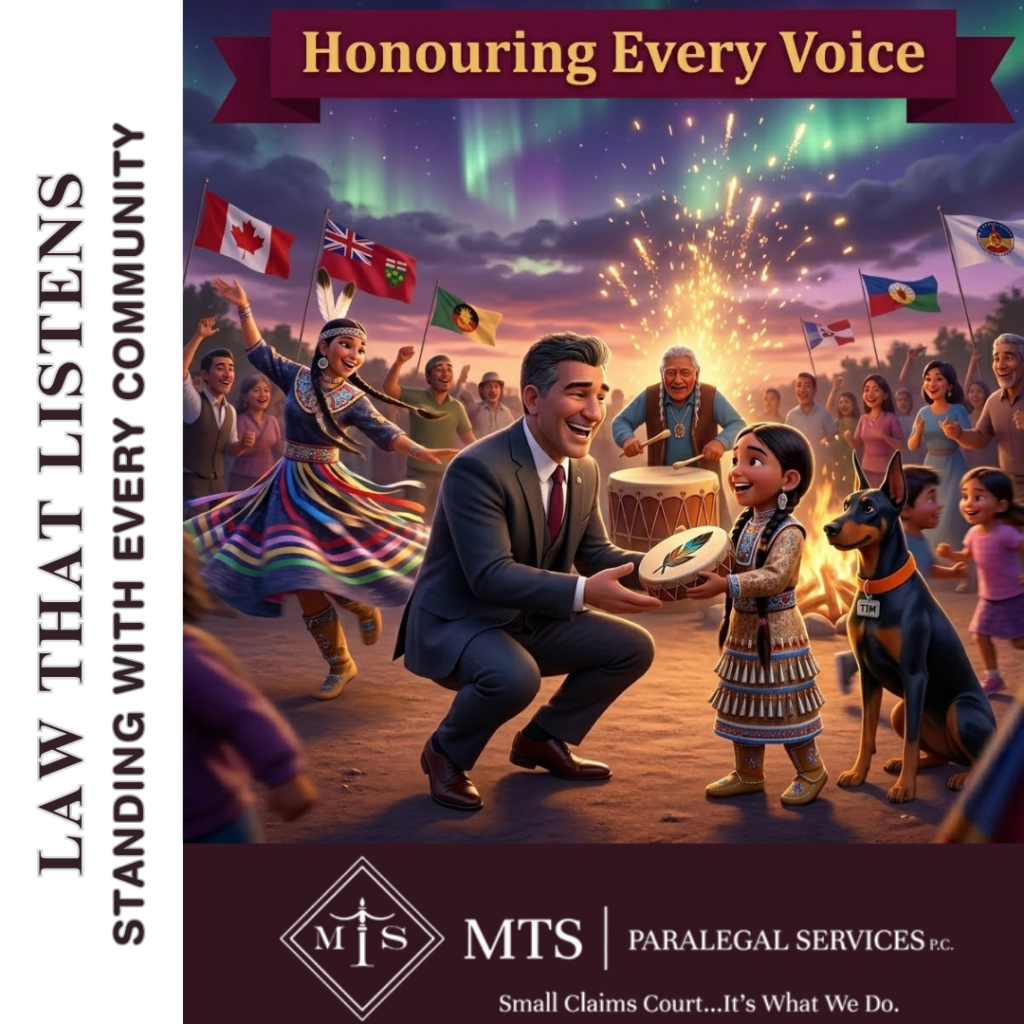
Every year on June 21, Canada observes National Indigenous Peoples Day, a day dedicated to recognizing and celebrating the cultures, contributions, and enduring resilience of First Nations, Inuit, and Métis peoples across this country. June 21 was chosen in part because of its significance as the summer solstice, a date of deep cultural importance to many Indigenous communities across Turtle Island.
For MTS Paralegal Services P.C., this day is an opportunity to pause, reflect, and acknowledge the legal landscape that has been shaped by generations of Indigenous advocacy, sacrifice, and leadership. Understanding what the law says about Indigenous rights is not only important for Indigenous peoples themselves. It is important for every resident of Ontario.
The Foundation: Constitutional Recognition of Indigenous Rights
The most significant legal protection for Indigenous peoples in Canada is found in section 35 of the Constitution Act, 1982, which recognizes and affirms the existing Aboriginal and Treaty rights of the Aboriginal peoples of Canada. This constitutional provision protects rights that include, but are not limited to, Treaty rights negotiated between the Crown and Indigenous nations, Aboriginal title to traditional lands, and the right to practice culture, language, and spiritual traditions.
Section 35 covers all three groups of Aboriginal peoples as defined under Canadian law: First Nations, Inuit, and Métis. While the constitutional text is relatively brief, its interpretation has been the subject of significant litigation and legal development over decades. Courts have clarified that section 35 rights are not absolute but must be justified by the Crown if they are to be infringed, and that the Crown owes a duty of honour in all of its dealings with Indigenous peoples. This constitutional framework forms the foundation upon which all other Indigenous rights protections are built.
The Ontario Human Rights Code and Indigenous Peoples
At the provincial level, Indigenous peoples in Ontario are protected from discrimination and harassment under the Ontario Human Rights Code. The Code applies to five areas of daily life: employment, housing, services and facilities, contracts, and membership in vocational associations or unions. It prohibits discrimination on the basis of race, ancestry, ethnic origin, and place of origin, among other grounds, all of which are relevant to the experiences of First Nations, Inuit, and Métis peoples in Ontario.
The Code also protects Indigenous spirituality as a form of creed, recognizing the right of Indigenous peoples to practise their spiritual beliefs without discrimination. The Ontario Human Rights Commission actively works to address systemic discrimination against Indigenous peoples and develops policies to guide employers, service providers, and institutions in meeting their obligations under the Code. Individuals who believe their rights under the Code have been violated may file an application with the Human Rights Tribunal of Ontario, which has authority to award remedies including monetary compensation and orders for policy change.
UNDRIP and the Federal Commitment to Indigenous Rights
In 2021, the Government of Canada passed the United Nations Declaration on the Rights of Indigenous Peoples Act, commonly known as UNDRIP legislation, committing Canada to aligning its laws and policies with the United Nations Declaration on the Rights of Indigenous Peoples. UNDRIP affirms Indigenous peoples’ rights to self-determination, cultural identity, land and resources, and free, prior, and informed consent in decisions that may affect their communities.
The Declaration had already been used by Canadian courts as an interpretive tool for understanding constitutional obligations before the legislation was formally passed. Its adoption into domestic law represents a significant step toward recognition of Indigenous rights at the highest level of government, though many Indigenous leaders and organizations continue to stress that meaningful implementation requires genuine partnership rather than top-down policy development. The path toward reconciliation is shaped not only by legislation but by the relationships built within those frameworks.
The Duty to Consult and Its Significance
One of the most practically significant legal doctrines affecting Indigenous peoples in Ontario and across Canada is the duty to consult and accommodate. Established through decades of case law and grounded in the honour of the Crown, this duty requires that governments consult with affected Indigenous communities before making decisions that could adversely affect their Aboriginal or Treaty rights. The scope and depth of the consultation required depends on the seriousness of the potential impact.
The duty to consult has been invoked in matters involving resource development, land transfers, infrastructure projects, and regulatory decisions across Ontario. It is not a veto power, but it is a substantive legal obligation that carries real consequences when it is not fulfilled. Courts in Ontario and across Canada have found that failures to adequately consult can result in decisions being set aside and sent back for reconsideration. For Indigenous communities navigating these processes, understanding the legal framework and having access to knowledgeable representation can make a significant difference in how their rights are recognized and protected.
Reflecting with Respect on National Indigenous Peoples Day
MTS Paralegal Services P.C. acknowledges that the office operates across Southwestern Ontario, on lands with deep and enduring connections to Indigenous peoples whose presence, knowledge, and stewardship long predate any legal or political framework. On this National Indigenous Peoples Day, the firm extends its respect and recognition to First Nations, Inuit, and Métis communities across Ontario and throughout the country.
Timothy Ellis and the team at MTS Paralegal Services P.C. are committed to accessible legal representation for all Ontarians. Whether a matter involves Small Claims Court, human rights related disputes, or traffic and provincial offences, every client deserves representation that is informed, respectful, and effective. Reach out through the contact page or call (226) 444-4882 at any time.
Reconciliation is not a single day. It is a direction we choose every day.
Small Claims Court… It’s What We Do.
This content does not constitute legal advice. For up-to-date guidance or legal advice specific to your situation, please contact MTS Paralegal Services Professional Corporation or call (226) 444-4882.